
Exploring Ancient Trees: Nature's Mystical Tales
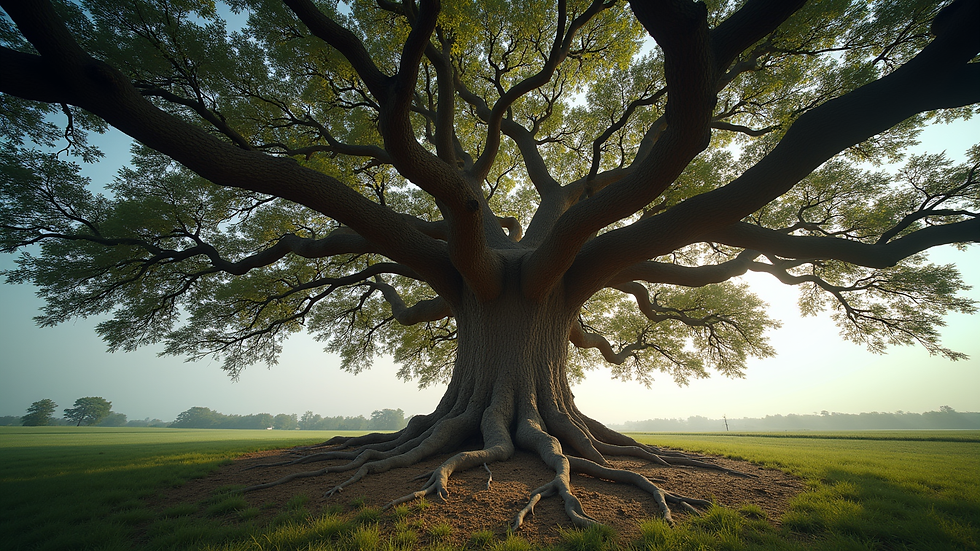
Ancient trees are not just towering giants of the forest; they are living witnesses to history, each one holding stories that span centuries. These majestic beings have stood the test of time, weathering storms, droughts, and the passage of years, while silently observing the world around them. In this blog post, we will embark on a journey to explore some of the most remarkable ancient trees, uncovering their unique characteristics, the ecosystems they support, and the cultural significance they hold for humanity.
The Significance of Ancient Trees
Ancient trees are vital to our ecosystems and offer numerous benefits:
Biodiversity: They provide habitats for countless species, from birds and insects to mammals and fungi. A single ancient tree can host hundreds of different organisms.
Carbon Sequestration: These trees play a crucial role in combating climate change by absorbing carbon dioxide from the atmosphere and storing it in their biomass.
Cultural Heritage: Many ancient trees are deeply rooted in local folklore and traditions, serving as symbols of strength, resilience, and continuity.
Examples of Remarkable Ancient Trees
The Old Tjikko
Located in Sweden, the Old Tjikko is a Norway spruce that is estimated to be over 9,500 years old. This tree has survived through multiple ice ages, making it one of the oldest known living trees. Its resilience is attributed to its ability to regenerate from its root system, allowing it to adapt to changing environmental conditions.
Methuselah
In California's White Mountains, the Methuselah tree, a bristlecone pine, is often cited as one of the oldest non-clonal trees in the world, with an age of around 4,850 years. Its twisted, gnarled appearance is a testament to its ability to withstand harsh weather conditions, including extreme cold and drought.
Jomon Sugi
On Yakushima Island in Japan, the Jomon Sugi is a cryptomeria tree estimated to be between 2,170 and 7,200 years old. This tree is revered in Japanese culture and is considered a sacred site. The surrounding forest is a UNESCO World Heritage site, showcasing the rich biodiversity of the region.
The Ecosystem Around Ancient Trees
Ancient trees create unique microhabitats that support diverse ecosystems. Their large canopies provide shade, while their deep roots stabilize the soil and prevent erosion. The decaying wood of ancient trees also supports a variety of fungi and insects, which in turn attract birds and other wildlife.
The Role of Fungi
Fungi play a crucial role in the health of ancient trees. Mycorrhizal fungi form symbiotic relationships with tree roots, enhancing nutrient absorption and water uptake. In return, trees provide carbohydrates to the fungi. This relationship is essential for the survival of both organisms, especially in nutrient-poor soils.
The Importance of Deadwood
Deadwood, often overlooked, is a vital component of forest ecosystems. Ancient trees that have fallen or are in the process of decaying provide habitats for numerous species. Woodpeckers, beetles, and fungi thrive in these environments, contributing to the overall health of the forest.
Cultural Significance of Ancient Trees
Ancient trees have long been revered in various cultures around the world. They often symbolize strength, wisdom, and endurance. Many communities have woven these trees into their folklore, using them as landmarks or spiritual sites.
The Baobab Tree
In Africa, the baobab tree is known as the "Tree of Life." Its massive trunk can store thousands of liters of water, making it a vital resource during dry seasons. The baobab is also a cultural icon, often featured in stories and traditions of local communities.
The Bodhi Tree
The Bodhi tree in India is significant in Buddhism as it is believed to be the tree under which Siddhartha Gautama attained enlightenment. This tree symbolizes wisdom and spiritual awakening, attracting pilgrims from around the world.
Conservation Efforts for Ancient Trees
As we continue to face environmental challenges, the conservation of ancient trees has become increasingly important. Here are some strategies being implemented to protect these natural wonders:
Protected Areas: Establishing national parks and reserves helps safeguard ancient trees from logging and urban development.
Community Engagement: Involving local communities in conservation efforts ensures that they understand the value of ancient trees and are motivated to protect them.
Research and Education: Ongoing research helps us understand the ecological roles of ancient trees, while educational programs raise awareness about their importance.
The Role of Technology
Modern technology plays a significant role in the conservation of ancient trees. Drones and remote sensing can help monitor tree health and detect changes in their environment. Additionally, genetic studies can provide insights into the resilience of ancient trees, guiding conservation strategies.
The Future of Ancient Trees
The future of ancient trees depends on our collective efforts to protect them. As climate change continues to impact ecosystems, these trees may face new challenges. However, by fostering a deeper appreciation for their significance, we can work towards ensuring their survival for generations to come.
How You Can Help
Support Conservation Organizations: Many organizations work tirelessly to protect ancient trees and their habitats. Consider donating or volunteering your time.
Educate Others: Share your knowledge about ancient trees with friends and family. Raising awareness is crucial for their conservation.
Visit and Respect: When visiting ancient trees, follow guidelines to minimize your impact. Respect their space and the surrounding ecosystem.
Conclusion
Ancient trees are more than just natural wonders; they are vital components of our ecosystems and cultural heritage. By exploring their stories and understanding their significance, we can foster a greater appreciation for these majestic beings. As we move forward, let us commit to protecting these living monuments, ensuring that they continue to inspire and sustain future generations.
The next time you encounter an ancient tree, take a moment to reflect on the countless stories it holds and the vital role it plays in our world. Together, we can ensure that these mystical tales continue to thrive for years to come.

Comments