
Folklore in Modern Poetry: Bridging Past and Present
Poetry has always been a vessel for storytelling, a medium that captures the essence of human experience. In recent years, a fascinating trend has emerged: the resurgence of folklore in modern poetry. This blend of ancient tales and contemporary expression not only enriches the poetic landscape but also connects readers with their cultural roots. In this blog post, we will explore how modern poets are weaving folklore into their work, the significance of this trend, and some notable examples that illustrate this powerful connection.
The Significance of Folklore in Poetry
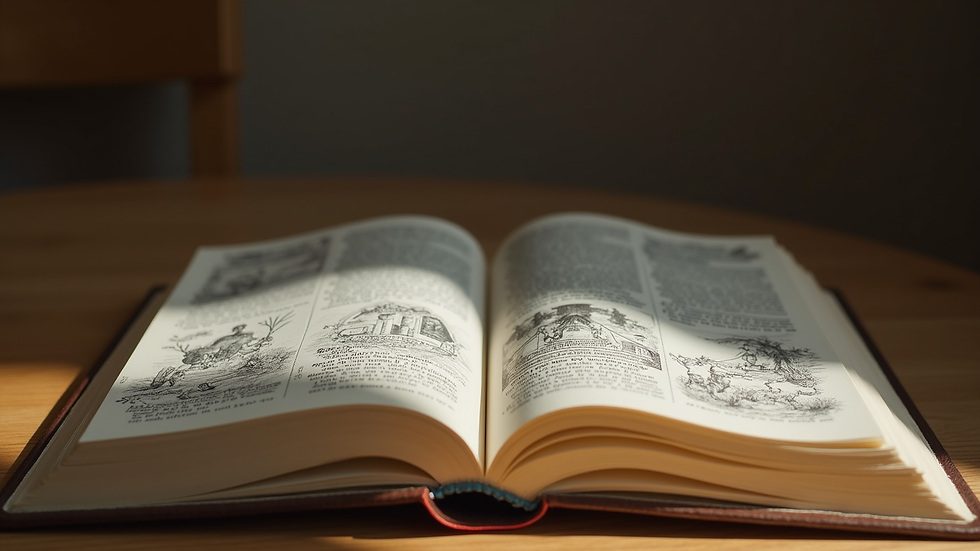
Folklore encompasses the traditional beliefs, myths, legends, and stories that are passed down through generations. These narratives often reflect the values, fears, and aspirations of a culture. By incorporating folklore into poetry, modern poets can tap into a rich reservoir of themes and motifs that resonate with readers on multiple levels.
Cultural Identity and Heritage
One of the primary reasons poets draw from folklore is to explore cultural identity. In a world that is increasingly globalized, many individuals seek to reconnect with their roots. Folklore serves as a bridge to the past, allowing poets to express their heritage and share it with a broader audience. This exploration of identity can foster a sense of belonging and understanding among diverse communities.
Universal Themes
Folklore often addresses universal themes such as love, loss, and the struggle between good and evil. These timeless narratives can be reinterpreted in modern contexts, making them relevant to contemporary readers. By weaving these themes into their poetry, modern poets can evoke deep emotional responses and provoke thought about the human condition.
Preservation of Language and Tradition
Incorporating folklore into poetry also plays a crucial role in preserving language and tradition. Many folk tales are rooted in specific dialects or languages that may be at risk of fading away. By using these linguistic elements in their work, poets can help keep these languages alive and encourage appreciation for their cultural significance.
Notable Modern Poets Embracing Folklore
Several contemporary poets have made significant contributions to the revival of folklore in poetry. Here are a few notable examples:
Joy Harjo
Joy Harjo, the first Native American Poet Laureate of the United States, often draws from her Muscogee (Creek) heritage in her work. Her poetry is infused with elements of Native American folklore, exploring themes of identity, nature, and spirituality. In her collection An American Sunrise, Harjo reclaims the past while addressing contemporary issues faced by Indigenous communities.
Ocean Vuong
Ocean Vuong's poetry is deeply influenced by his Vietnamese heritage and the folklore of his homeland. In his acclaimed collection Night Sky with Exit Wounds, Vuong weaves personal narratives with elements of Vietnamese folklore, creating a tapestry of memory and loss. His work highlights the power of storytelling to bridge generations and cultures.
Claudia Rankine
Claudia Rankine's Citizen: An American Lyric incorporates elements of folklore to address issues of race and identity in America. By referencing historical figures and events, Rankine creates a dialogue between the past and present, challenging readers to confront the realities of systemic racism. Her use of folklore serves as a powerful tool for social commentary.
The Craft of Weaving Folklore into Poetry
Incorporating folklore into poetry requires a delicate balance of respect and creativity. Here are some strategies poets can use to effectively weave these narratives into their work:
Research and Authenticity
Before incorporating folklore into poetry, it is essential for poets to conduct thorough research. Understanding the cultural context and significance of the stories they wish to tell is crucial. This ensures that the portrayal of folklore is authentic and respectful, honoring the traditions from which it originates.
Personal Connection
Poets should strive to establish a personal connection with the folklore they are exploring. This can involve reflecting on their own experiences or family histories related to the stories. By infusing their unique perspectives into the narratives, poets can create a more intimate and relatable connection for readers.
Blending Styles
Modern poets often experiment with various styles and forms to convey their messages. When incorporating folklore, poets can blend traditional poetic forms with contemporary techniques, such as free verse or spoken word. This fusion can create a dynamic reading experience that resonates with a diverse audience.
Imagery and Symbolism
Folklore is rich in imagery and symbolism, which can enhance the emotional depth of poetry. Poets should consider how to use vivid imagery to evoke the essence of the folklore they are drawing from. This can involve using metaphors, similes, and other literary devices to create a strong visual impact.
The Impact of Folklore on Readers
The integration of folklore into modern poetry has a profound impact on readers. Here are some ways in which this trend enriches the reading experience:
Emotional Resonance
Folklore often taps into deep-seated emotions and universal experiences. When readers encounter these familiar themes in poetry, they may feel a sense of connection and understanding. This emotional resonance can lead to a more profound appreciation of the work and its underlying messages.
Cultural Awareness
By engaging with poetry that incorporates folklore, readers are exposed to diverse cultural narratives. This exposure fosters cultural awareness and appreciation, encouraging readers to explore and learn about traditions outside their own. It can also challenge stereotypes and promote empathy.
Inspiration for Creativity
Folklore can serve as a wellspring of inspiration for readers and aspiring poets. Encountering the rich tapestry of stories and themes can spark creativity and encourage individuals to explore their own cultural narratives. This can lead to a new generation of poets who continue the tradition of storytelling through poetry.
Conclusion
The resurgence of folklore in modern poetry is a powerful testament to the enduring nature of storytelling. By bridging the past and present, poets are not only preserving cultural heritage but also creating a dialogue that resonates with contemporary audiences. As readers, we are invited to explore these narratives and reflect on our own identities and experiences. The next time you pick up a book of poetry, consider how the threads of folklore are woven into the fabric of the verses, connecting us all through the timeless art of storytelling.
As you delve into the world of modern poetry, take a moment to reflect on your own cultural narratives and the stories that shape your identity. What folklore resonates with you? How can you incorporate these tales into your own creative expressions? The journey of exploration awaits.

Comments